

SAFETY WHILE WORKING
The procedures given in this manual are those recommended by Yamaha to be followed by Yamaha dealers and their mechanics.
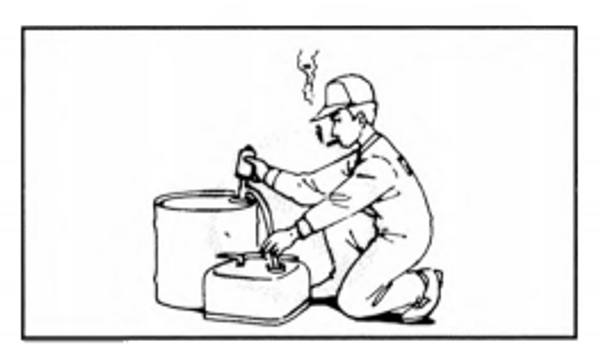
FIRE PREVENTION
Gasoline (petrol) is highly flammable. Petroleum vapor is explosive if ignited. Do not smoke while handling gasoline and keep it away from heat, sparks and open flames.
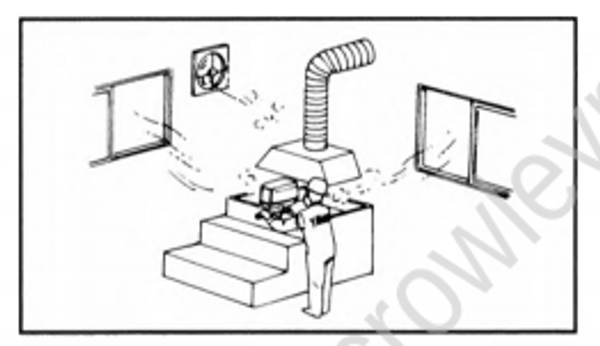
VENTILATION
Petroleum vapor is heavier than air and is deadly if inhaled in large quantities. Engine exhaust gases are harmful to breathe. When test-running an engine indoors, maintain good ventilation.
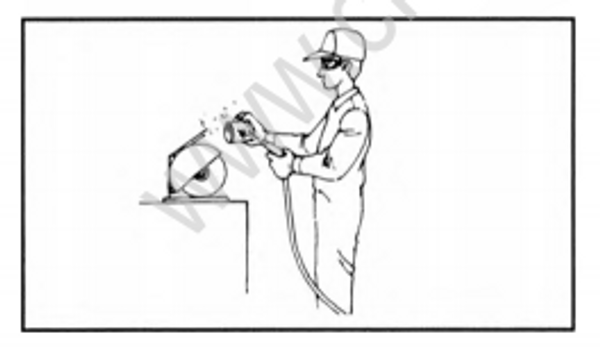
SELF-PROTECTION
Protect your eyes with suitable safety glasses or safety goggles, when grinding or when doing any operation which may cause particles to fly off. Protect hands and feet by wearing safety gloves or protective shoes if appropriate to the work you are doing.
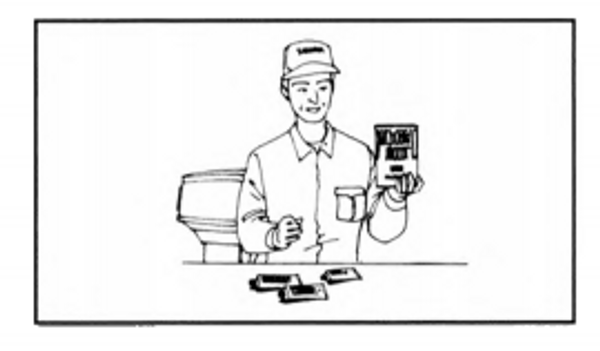
OILS, GREASES AND SEALING FLUIDS
Use only genuine Yamaha oils, greases and sealing fluids or those recommended by Yamaha.Under normal conditions of use, there should be no hazards from the use of the lubricants mentioned in this manual, but safety is all-important, and by adopting good safety practices, any risk is minimized. A summary of the most important precautions is as follows:
While working, maintain good standards of personal and industrial hygiene.
Clothing which has become contaminated with lubricants should be changed as soon as practicable, and laundered before further use.
Avoid skin contact with lubricants; do not, for example, place a soiled wiping rag in your pocket.
Hands and any other part of the body which have been in contact with lubricants or lubricant-contaminated clothing, should be thoroughly washed with hot water and soap as soon as practicable.
To protect the skin, the application of a suitable barrier cream to the hands before working, is recommended.
A supply of clean lint-free cloths should be available for wiping purposes.
GOOD WORKING PRACTICES
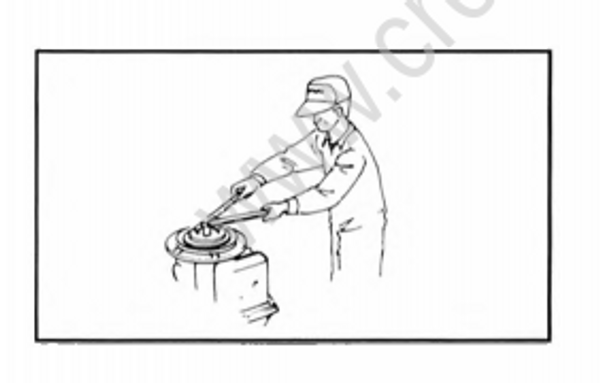
The right tools
Use the recommended special tools to protect parts from damage. Use the right tool in the right manner do not improvise.Tightening torque
Follow the tightening torque instructions. When tightening bolts, nuts and screws, tighten the large sizes first, and tighten inner-positioned fixings before outer-positioned ones.
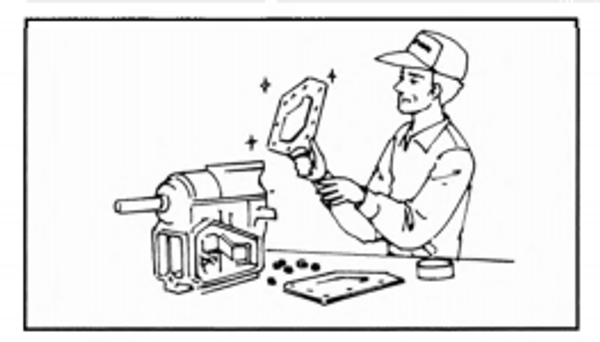
- Non-reusable items
Always use new gaskets, packings, 0-rings, split-pins, circlips, etc., on reassembly.
DISASSEMBLY AND ASSEMBLY
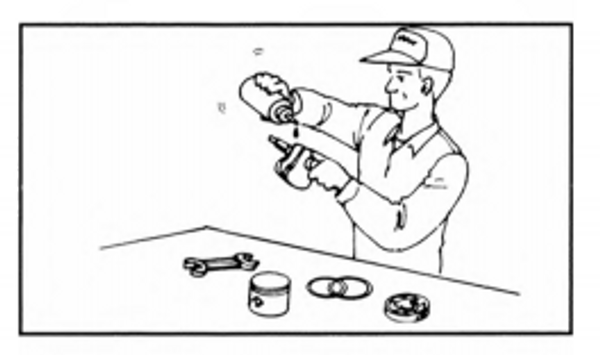
Clean parts with compressed air when disassembling.
Oil the contact surfaces of moving parts before assembly.
After assembly, check that moving parts operate normally.
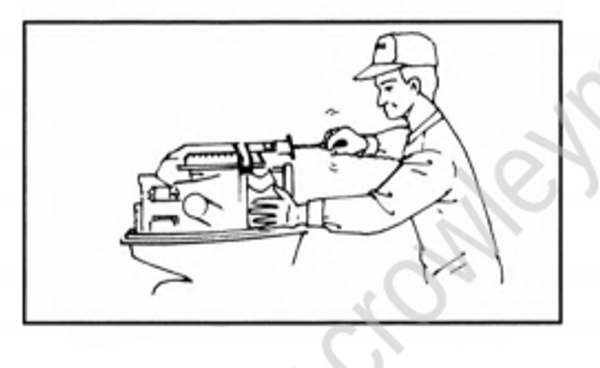
Install bearings with the manufacturer's markings on the side exposed to view, and liberally oil the bearings.
When installing oil seals, apply a light coating of water-resistant grease to the outside diameter.
